 If you’ve been told you need a dental implant—or want to explore the possibility—you may also have heard the term bone grafting. At the South Florida Institute of Oral Surgery, serving the Coral Springs and Pompano Beach regions, we frequently help patients understand why grafting can be a critical step toward a long-lasting implant. In this blog, we’ll demystify bone grafting: what it is, when it’s needed, and how we make it part of a comprehensive treatment plan.
What is bone grafting?
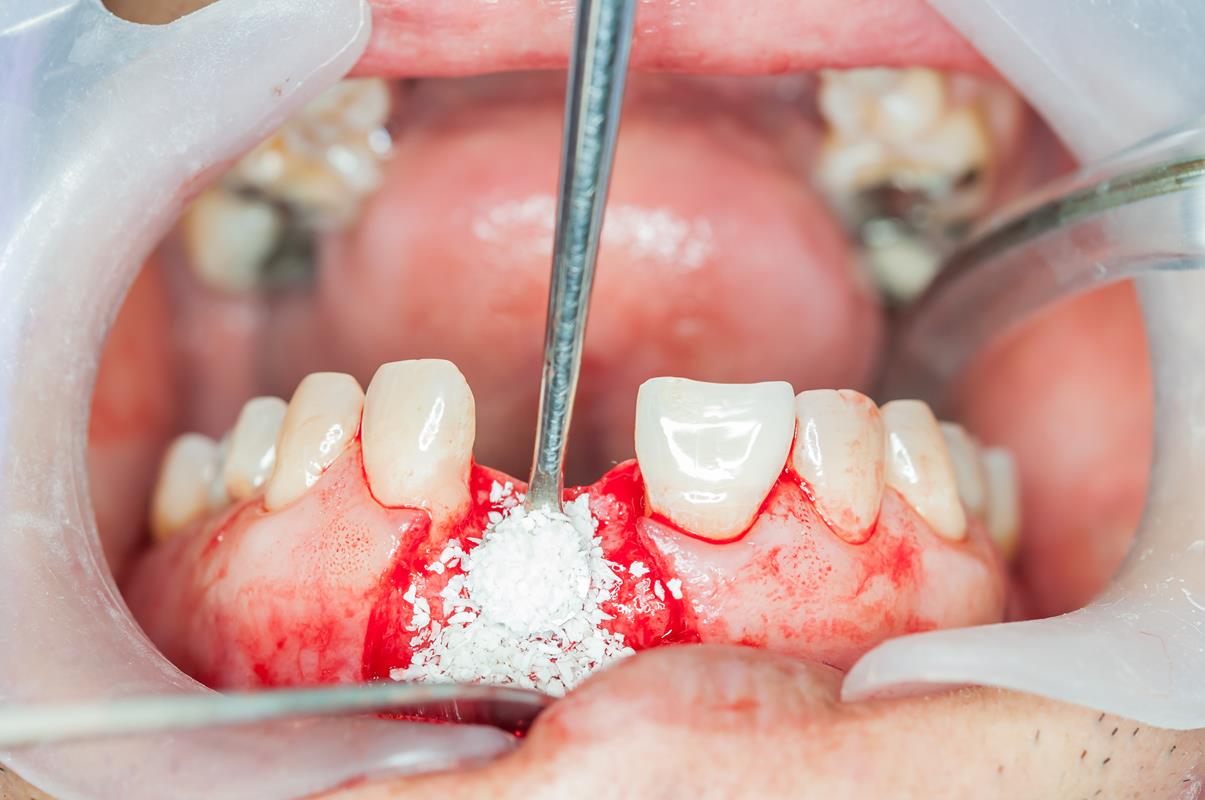
Bone grafting is a surgical procedure in which we augment or rebuild the jawbone where the density or volume is insufficient for stable implant placement. Using a variety of techniques and grafting materials, our goal is to provide a strong “foundation” for your implant—much like building a stable platform before mounting a new structure.
Why might you need it?
There are several common scenarios that lead to bone loss in the jaw:
- Missing teeth that were not replaced over time—when teeth are lost, the bone that supported them gradually shrinks.
- Gum disease that causes bone deterioration around the teeth.
- Trauma or facial injury that affected the jawbone.
- Congenital conditions where bone volume was always limited.
If an implant is placed in insufficient bone, the risk of failure increases. By grafting, we minimize those risks and improve the long-term success of your implant.
Types of bone grafting we offer
- Socket preservation: Immediately after a tooth extraction, we may place graft material in the socket to preserve bone volume for future implant placement.
- Ridge augmentation: If the jaw’s ridge has become resorbed, this technique rebuilds its shape and width.
- Sinus lift: In the upper jaw near the sinus, when bone height is limited, we elevate the sinus floor and graft bone beneath.
- Block grafts and advanced techniques:For severe bone loss we may use autogenous bone blocks or donor/regenerative materials plus growth factors (such as PRF—platelet-rich fibrin).
How the treatment sequence works
- Evaluation – We use 3D imaging to assess your jawbone volume and plan the grafting.
- Grafting surgery – Under safe sedation/anesthesia, the graft is placed; recovery is closely monitored.
- Healing period – Usually 3–6 months (depending on the type and scale of graft) for the new bone to form adequately.
- Implant placement – Once healed, we place the implant and continue with the usual restoration process.
- Final restoration – After implant integration, your dentist attaches the crown/bridge for a natural outcome.
Benefits of doing it right
- Improved stability and longevity of your dental implant.
- Better aesthetic outcomes—replacement teeth look and feel more natural when supported by bone.
- Reduced risk of future bone loss or implant failure.
- In many cases, allowing for less invasive implant placement because the foundation is optimized.
Patient experience and what to expect
Grafting is a more involved procedure than a simple implant, but at SFIOS we make every effort to optimize comfort. You’ll be given clear instructions, support through your healing phase, and follow-ups to monitor progress. Most patients find the swelling and discomfort manageable, and the long-term benefits far outweigh the short-term inconvenience.
Final note
If you’ve been told you don’t have enough bone for an implant—or just want to explore your options—schedule a consultation with the team at SFIOS. Let’s build the foundation your smile deserves.