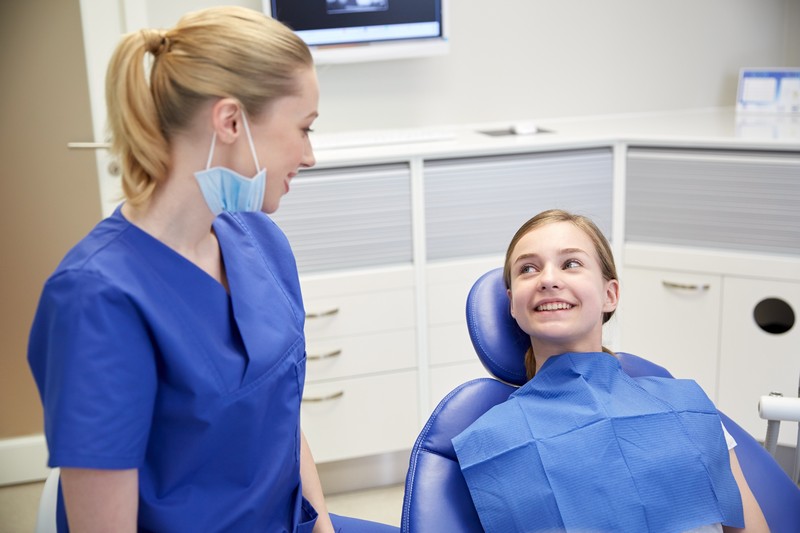
 Finding trusted oral surgery care in South Florida can feel overwhelming, especially when facing procedures like dental implants, wisdom teeth extraction, or bone grafting. The specialists at the South Florida Institute of Oral Surgery (SFIOS) make the process clear and comfortable by combining advanced surgical techniques with a compassionate approach. Choosing an experienced SFIOS oral surgeon ensures precise, personalized treatment that restores both function and confidence.
Each patient receives care tailored to their specific needs, whether it’s replacing missing teeth with dental implants, removing impacted wisdom teeth, or preparing the jaw for future restorations through bone grafting. Modern technology and decades of expertise allow SFIOS surgeons to perform procedures efficiently while keeping comfort a top priority. The team focuses on long-term results, helping individuals regain a healthy, balanced smile that feels natural.
For anyone considering oral surgery in South Florida, understanding options early and working with a reputable specialist can make all the difference. Taking this step with the right guidance leads to greater comfort, predictable healing, and renewed confidence in everyday life.
Key Takeaways
- Experienced SFIOS surgeons provide expert care for a range of oral surgery needs.
- Advanced techniques help ensure comfort, precision, and lasting results.
- Personalized consultations support confident decisions and healthier smiles.
Your Trusted SFIOS Oral Surgeon in South Florida
The South Florida Institute of Oral Surgery (SFIOS) provides advanced oral and maxillofacial care with a patient-focused approach. Their team combines decades of surgical training, evidence-based techniques, and compassionate communication to guide patients through every stage of treatment, from consultation to recovery.
Meet the SFIOS Team
The SFIOS team includes Dr. Mikhail Daya and Dr. Dasha Donado, both board-certified oral and maxillofacial surgeons with extensive clinical training. Dr. Daya completed his residency at Nova Southeastern University and advanced fellowship work at Mercy Hospital in St. Louis. Dr. Donado brings broad expertise in reconstructive and implant surgery, combining precision with a calm, caring bedside manner.
Each surgeon works closely with skilled surgical assistants and patient coordinators who make the process smooth and comfortable. Their collaborative approach ensures that every consultation, whether for dental implants, wisdom teeth removal, or bone grafting, receives personalized attention.
Patients appreciate the team’s clear communication and step-by-step explanations before any procedure. This transparency helps reduce anxiety and builds lasting trust between surgeon and patient.
Why Choose a Board-Certified Oral Surgeon
A board-certified oral surgeon has completed extensive education, hospital-based surgical training, and rigorous examinations through recognized professional boards. Choosing one means selecting a clinician with proven knowledge in areas like anesthesia, facial trauma, dental implantology, and corrective jaw surgery.
At SFIOS, certification reflects a commitment not only to professional excellence but also to patient safety. Certified surgeons maintain continuing education and training in the latest surgical techniques and technology.
When evaluating oral surgeons in South Florida, patients benefit from verifying credentials, surgical experience, and professional affiliations. These qualifications ensure that complex procedures—such as bone grafting or full-arch restorations—are completed accurately and efficiently, minimizing recovery time and complications.
Commitment to Patient Comfort and Safety
SFIOS prioritizes comfort at every stage of care. The practice offers IV sedation and other anesthesia options tailored to each patient’s needs, helping ensure a relaxed experience even during lengthy procedures.
Their modern facilities meet strict safety and sterilization standards. The team routinely reviews and updates clinical protocols to align with current best practices in oral and maxillofacial surgery.
Patient comfort extends beyond the procedure itself. Aftercare instructions, follow-up appointments, and accessible staff communication make recovery easier and less stressful. Patients are encouraged to ask questions, whether preparing for dental implants or planning a simple extraction, reinforcing a sense of confidence and partnership in their care.
Comprehensive Oral Surgery Services
Oral and maxillofacial surgery in South Florida focuses on precision, comfort, and lasting results. Patients benefit from board-certified surgeons experienced in treatments such as dental implants, wisdom teeth extractions, and bone grafting, all performed with advanced technology in a supportive setting.
Personalized Surgical Care
The South Florida Institute of Oral Surgery (SFIOS) emphasizes individualized treatment for every patient. Each person’s oral health, comfort level, and treatment goals guide the care plan. Surgeons explain every step, helping patients understand what to expect before, during, and after the procedure.
Dental implants, wisdom teeth removal, and jaw or facial surgeries are common, yet each case differs. For example:
- Dental implants restore single or multiple missing teeth with natural-looking results.
- Bone grafting rebuilds areas where bone density is low, supporting future implants.
- Wisdom teeth extraction prevents infection or crowding issues often seen in young adults.
Patients receive compassionate guidance and attentive follow-up to ensure smooth recovery. This teamwork between provider and patient helps build confidence and trust throughout the surgical process.
State-of-the-Art Technology in Oral Surgery
Modern oral surgery relies heavily on advanced diagnostic and surgical tools. At practices like SFIOS, surgeons use 3D imaging, digital X-rays, and computer-guided implant placement to improve accuracy and predictability. These innovations minimize surgical time and reduce discomfort during healing.
Sedation options such as IV sedation or local anesthesia are tailored to the patient’s comfort needs. This approach helps patients remain calm, particularly during complex procedures like full-arch restoration.
A combination of expertise and technology supports precise treatment outcomes. Patients benefit from fewer post-surgical complications, faster healing, and a more comfortable overall experience.
Preparing for Your Oral Surgery Appointment
Successful outcomes begin with good preparation. Patients usually receive clear instructions about fasting, medication adjustments, and post-surgical care routines. Wearing comfortable clothing, arranging transportation home, and discussing medical history with the surgical team are simple but vital steps.
A short checklist helps organize the process:
| Preparation Step | Why It Matters |
|---|---|
| Review procedure plan | Clarifies expectations |
| Follow fasting instructions | Ensures safe anesthesia use |
| Arrange transport | Promotes safe return home |
| Set up home recovery area | Supports smooth healing |
By taking time to prepare, patients can relax knowing that their surgical team is ready to support them before, during, and after treatment. Those with questions or concerns are encouraged to reach out to their oral surgeon early to discuss any details in advance.
Dental Implants in South Florida
Dental implants restore missing teeth with durable, natural-looking results that support oral health and long-term comfort. They help patients regain full bite strength, protect bone structure, and enjoy confident smiles supported by today’s advanced surgical techniques.
Benefits of Dental Implants
Dental implants replace lost teeth by anchoring a titanium post securely into the jawbone, acting like a natural tooth root. This integration keeps surrounding bone healthy by providing the stimulation once delivered by a real tooth. Unlike dentures, implants stay in place while eating or speaking, offering a stable and comfortable fit.
Patients appreciate how implants look and feel like real teeth. The porcelain crown can be matched to the shade and shape of adjacent teeth, making the restoration nearly undetectable. Because implants function independently, they do not rely on neighboring teeth for support, helping preserve those natural structures.
Key benefits include:
- Improved chewing and speaking ability
- Natural esthetics and confidence when smiling
- Long lifespan with proper care
- Protection against bone loss and facial sagging
Modern practices across South Florida, including the South Florida Institute of Oral Surgery (SFIOS), use advanced imaging and minimally invasive techniques to ensure precise placement and lasting success.
Step-by-Step Dental Implant Process
The implant process begins with a comprehensive consultation and 3D imaging to evaluate bone quality and plan implant positioning. This step ensures each patient receives a personalized treatment plan designed for both function and comfort.
During surgery, the oral surgeon places the titanium implant into the jawbone under local anesthesia or IV sedation. Once placed, the bone gradually fuses with the implant through a healing process called osseointegration—typically taking several weeks to a few months.
After healing, an abutment connects the implant to the dental crown. The custom crown is crafted to match the patient’s smile, completing the restoration. Some patients who have insufficient bone may first need a bone graft to strengthen the implant area, especially in the upper or posterior jaw.
Caring for Your Dental Implants
Daily care for implants mirrors natural tooth hygiene. Patients should brush twice a day with a soft-bristled toothbrush and use non-abrasive toothpaste to protect the crown’s surface. Flossing around the implant base keeps the gum tissue healthy and prevents plaque buildup.
Routine dental checkups remain essential. The oral surgeon monitors implant stability and identifies early signs of gum irritation or bone loss. Incorporating antibacterial mouth rinses can further reduce bacteria that contribute to peri-implant inflammation.
Avoiding hard or sticky foods immediately after surgery helps protect the site during healing. Smoking cessation also improves long-term outcomes, as tobacco use can interfere with bone healing. With consistent care and professional maintenance, dental implants in South Florida can last for decades and continue to look and feel natural.
Wisdom Teeth Extraction: What to Expect in Florida
In South Florida, wisdom teeth removal is a routine procedure performed by board-certified oral surgeons who focus on safety, comfort, and faster recovery. Modern imaging, sedation options, and gentle surgical methods help patients experience minimal discomfort and predictable results.
Signs You May Need Wisdom Teeth Removal
Wisdom teeth, or third molars, often begin to cause problems during the late teens or early twenties. When there isn’t enough space in the mouth, they can become impacted—stuck under the gum or angled toward other teeth. This can lead to pain, swelling, or pressure in the back of the jaw.
Dentists may also recommend removal if cysts, infection, or decay begin around the developing teeth. Common warning signs include jaw stiffness, tenderness, or gum irritation behind the molars. Persistent bad breath and difficulty opening the mouth fully can also signal infection beneath the surface.
Early evaluation using digital X-rays allows oral surgeons to identify potential issues before they worsen. Preventive extraction in these cases can reduce complications and protect nearby healthy teeth.
Gentle Extraction Techniques
Oral surgery centers in Florida, such as those in West Palm Beach and Fort Lauderdale, use advanced tools and imaging to plan each extraction with precision. Patients receive anesthesia or IV sedation for comfort, depending on their needs and the complexity of the case.
During the procedure, the surgeon carefully exposes the tooth through a small gum incision and removes it either whole or in sections. This approach minimizes tissue stress and leads to a quicker recovery. Many offices employ low-vibration surgical instruments and fine suturing techniques to lower swelling and bleeding.
A short observation period follows surgery to ensure patients are stable before discharge. The team provides clear instructions for home care and remains available for any follow-up questions or adjustments.
Aftercare for a Smooth Recovery
Recovery usually takes several days, though each patient heals at a different pace. Applying an ice pack for short intervals during the first 24 hours helps reduce swelling. Taking prescribed or over-the-counter pain relievers as directed can also make recovery more comfortable.
Patients should rest, keep the extraction site clean, and eat soft foods such as soup, yogurt, or mashed potatoes. Avoiding straws, smoking, or vigorous rinsing prevents dislodging the healing clot.
Most people return to normal routines within a week. Regular check-ins with the oral surgeon ensure the area heals properly. Anyone with unusual bleeding, severe pain, or swelling should contact the dental office promptly for further evaluation or care.
Bone Grafting Procedures in South Florida
Bone grafting helps patients restore lost bone tissue so that dental implants or other oral restorations have a stable foundation. It also supports facial structure and healthy gum contour, improving both function and appearance after tooth loss or jawbone deterioration.
When Bone Grafting Is Needed
Bone grafting is often recommended when the jawbone has thinned or weakened due to missing teeth, gum disease, or injury. Without enough bone volume, a dental implant cannot properly anchor, putting its long-term success at risk. Oral surgeons use imaging tools such as 3D cone-beam scans to measure bone density and determine whether grafting is necessary before implant placement.
Common reasons for bone loss include prolonged tooth absence, advanced periodontal disease, and trauma. Patients who have worn dentures for years may also experience bone shrinkage that affects facial shape. By rebuilding bone structure, grafting offers a secure base for implants and stabilizes surrounding teeth.
At trusted practices in South Florida, including SFIOS, surgeons use gentle techniques to minimize discomfort. Local anesthesia and sedation options help ensure a calm, smooth experience for the patient from start to finish.
Types of Bone Grafting Materials
Several materials can be used to rebuild bone, depending on the patient’s specific needs and medical history. Each type integrates naturally with existing bone tissue, restoring strength and density in the treated area.
| Material Type | Source | Key Benefit |
|---|---|---|
| Autograft | Patient’s own bone (often from the jaw or hip) | Highest compatibility and healing potential |
| Allograft | Donor bone (carefully sterilized and processed) | Eliminates need for a second surgical site |
| Xenograft | Bone from an animal source, usually bovine | Provides natural scaffolding for new bone growth |
| Alloplastic graft | Synthetic mineral materials | Consistent supply and reduced infection risk |
Modern bioengineered materials often combine with growth factors that accelerate integration. Surgeons choose the most suitable option after reviewing the patient’s goals, anatomy, and recovery expectations.
Recovery and Long-Term Success
After a bone graft procedure, patients can expect mild soreness or swelling that usually improves within a few days. Following post-operative instructions—such as eating soft foods, avoiding smoking, and taking prescribed medications—helps the body heal faster.
New bone integrates with existing jaw tissue over several months, creating a firm base strong enough to support future dental implants. Regular checkups allow the oral surgeon to track healing progress and verify bone growth before moving to the next stage of treatment.
Healthy oral hygiene plays a key role in maintaining long-term graft success. Gentle daily brushing, professional cleanings, and routine evaluations protect both the graft area and nearby teeth. Patients in South Florida are encouraged to schedule a consultation with an experienced oral surgeon to discuss their options for restoring bone strength and achieving a confident, lasting smile.
Taking the Next Step Towards a Healthier Smile
Patients who explore oral surgery in South Florida often begin by learning about the consultation process, preparing the right questions, and understanding what happens during their first visit. Taking these steps helps them feel informed, comfortable, and confident about treatments like dental implants, wisdom teeth extraction, and bone grafting.
Scheduling Your Consultation
The first step toward improved oral health starts with scheduling a professional consultation. Clinics such as the South Florida Institute of Oral Surgery (SFIOS) offer flexible appointment times and personalized evaluations to determine each patient’s needs. A consultation allows the surgeon to review medical history, perform imaging, and create a tailored plan that suits the patient’s oral condition and long-term goals.
Patients can expect the scheduling process to be simple. Many offices provide online booking or phone scheduling, and the staff often helps coordinate insurance verification ahead of time. They may ask patients to bring X-rays, medication lists, or previous dental records for a complete assessment.
To prepare, patients should note any symptoms or concerns, such as discomfort during chewing, missing teeth, or previous dental trauma. Staying proactive and organized helps the surgeon design effective treatment options with a clear timeline.
Questions You Can Ask Your Oral Surgeon
A consultation is most productive when patients ask focused, open-ended questions. They might start with:
| Topic | Example Question |
|---|---|
| Procedure details | “What type of anesthesia or sedation do you use during oral surgery?” |
| Recovery timeline | “How long will it take to heal after bone grafting or wisdom tooth removal?” |
| Implant care | “What maintenance steps should I follow after receiving dental implants?” |
| Experience | “How many similar procedures has your team performed?” |
Good communication ensures clarity and builds trust between patient and surgeon. Asking about alternative treatments, success rates, and post-operative care helps patients manage expectations and understand every stage of their procedure.
At skilled centers like SFIOS, surgeons encourage questions and explain treatment options in clear, easy-to-understand language. This open dialogue helps patients feel reassured and confident in their care decisions.
What to Expect at Your First Visit
The initial visit typically includes a comprehensive examination, digital scans or X-rays, and a detailed discussion of treatment options. The surgeon evaluates bone density, gum health, and any structural concerns that could affect implants or extractions.
Patients usually meet with both the surgeon and clinical team to review possible procedures and sedation methods. A written treatment plan outlines steps, estimated costs, and scheduling. This transparency helps patients make informed choices and prepare for the next phase of treatment.
Offices in South Florida, such as SFIOS, emphasize patient comfort. The environment is calm, the staff explains each step before it happens, and sedation options are reviewed in advance. By the end of that first visit, most patients leave with a clearer understanding of their treatment path and confidence that their smile is in capable hands.
Frequently Asked Questions
Oral surgery in South Florida addresses a wide range of needs, from wisdom teeth removal to dental implants and bone grafting. Patients often have questions about what to expect, how to care for themselves after surgery, and how to choose the right specialist.
What can I expect during and after a wisdom teeth extraction procedure?
Patients typically undergo wisdom teeth extraction under local anesthesia, sedation, or general anesthesia depending on the complexity of the case. The procedure usually takes less than an hour, and most return home the same day.
Mild swelling and soreness are common for several days. Following the oral surgeon’s care instructions—such as resting, avoiding hard foods, and keeping the area clean—promotes faster healing.
How do I determine if I need dental implants, and what are the benefits?
A dental implant may be recommended when one or more teeth are missing and the surrounding bone is strong enough to support a titanium post. The oral surgeon evaluates the jawbone with digital imaging to ensure sufficient density.
Implants provide a stable, natural-looking replacement that preserves facial structure and prevents bone loss. They function like real teeth, allowing patients to eat, speak, and smile with confidence.
What does the process of bone grafting entail, and how does it help with dental restorations?
Bone grafting rebuilds areas of the jaw where bone has deteriorated due to tooth loss or trauma. The surgeon places bone material—often a biocompatible graft—into the area to encourage new bone growth.
This process strengthens the jawbone and prepares it for procedures like dental implants. It typically heals over several months, creating a secure foundation for long-term restorations.
How can I find a reputable oral surgeon in South Florida for my procedure?
Patients should look for board-certified oral and maxillofacial surgeons with advanced training and experience in the procedure they need. Reading patient reviews, confirming credentials, and touring the clinic can help ensure comfort and trust.
Practices like the South Florida Institute of Oral Surgery (SFIOS) are known for combining advanced technology with personalized care, making them a trusted choice in the region.
Are there any specific post-operative care tips following oral surgery to ensure the best recovery?
Following the surgeon’s instructions closely reduces the risk of complications. Patients should maintain gentle oral hygiene, eat soft foods, and avoid smoking or strenuous activity during recovery.
Cold compresses help manage swelling, while prescribed medications ease discomfort. Most people can resume normal activities within a few days, depending on the procedure.
What are the latest advancements in oral surgery that enhance patient comfort and outcomes?
Modern oral surgery has evolved with innovations like 3D imaging for precise planning, laser-assisted techniques that minimize tissue trauma, and improved sedation options for stress-free treatment.
Digital workflows allow for shorter surgical times and more predictable results. These advancements help patients feel more comfortable and heal faster, making today’s oral surgery safer and more efficient than ever.