Oral Surgery Procedures
Less common than wisdom teeth, and less forgiving.
Space limitations, angulation, interference from adjacent teeth or developmental factors can stop a second molar erupting.
Request an Appointment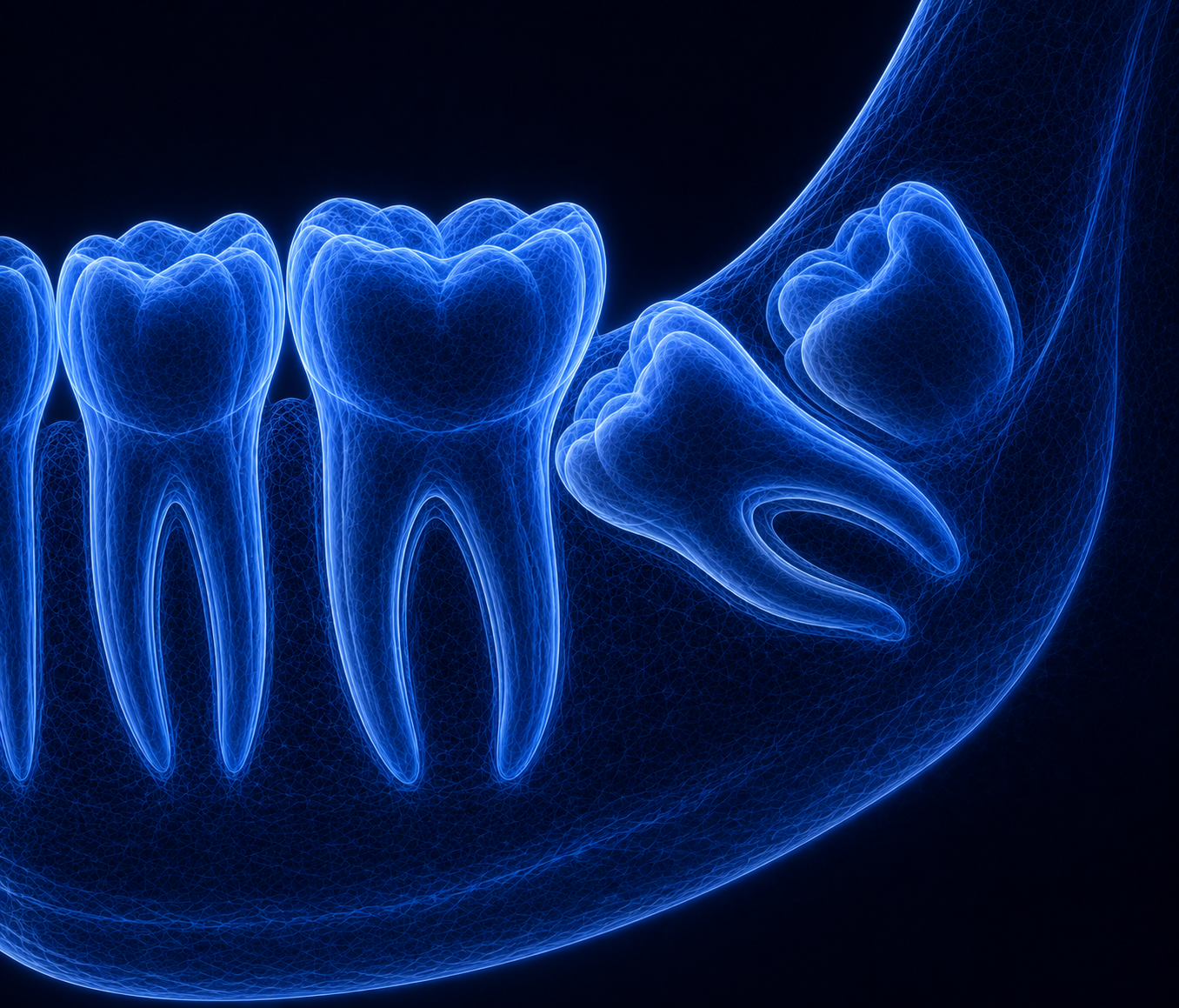
Diagnose Early. Image Precisely. Protect the Bite.
When a Second Molar Fails to Erupt
Impacted second molars are less common than impacted wisdom teeth, but when they occur, they can create significant functional and orthodontic concerns. A second molar may fail to erupt properly because of space limitations, angulation issues, interference from adjacent teeth, or developmental factors. At South Florida Institute of Oral Surgery, we evaluate impacted second molars carefully to determine the most appropriate course of treatment.
What Happens If It Is Left
When left untreated, impacted second molars may contribute to pain, gum irritation, decay risk, bite problems, or damage to neighboring teeth. Early diagnosis can help improve treatment options and reduce the likelihood of more complex issues developing later. In some cases, coordinated treatment with an orthodontist may be needed to achieve the best outcome.
Imaged Before Any Decision
Our surgeons use advanced imaging to assess the exact position of the impacted tooth and the surrounding anatomy. Based on those findings, treatment may involve surgical exposure, removal of obstructing teeth, or other strategies aimed at improving eruption or protecting oral health.
Preserving Long-Term Function
At South Florida Institute of Oral Surgery, we take a precise and individualized approach to these cases. Our goal is to address the problem efficiently while preserving long-term function and supporting the overall health of the bite.